

You've probably
done this before.
你大概經歷過幾次了。
The deck was good. The room agreed.
報告做得很好,大家都點頭。

You went back to your desk.
你回到了自己的位置。
The deck was still on. You opened your notebook again.
那份 deck 還開著。你又打開了自己的筆記本。
You went back to your desk. The deck was still on. You opened your notebook again.
你回到了自己的位置。那份 deck 還開著。你又打開了自己的筆記本。
Something didn't sit right.
You just couldn't name it yet.
有些東西不太對。
你只是還說不出來。

The next morning, the room was reset.
The work hadn't moved.
隔天早上,會議室回到了原樣。
真正該動的,沒有動。
Whatever it was,
it needed to happen earlier.
不管那是什麼,
它都需要更早發生。

"What are we really trying to change?"
「我們真正想改變的,是什麼?」
That's the question I start with —
upstream, before the brief, the deck, the room.
這就是我開始的地方 —
在 brief、deck、會議室之前。
I work upstream.
我,在上游工作。
Services // What I do Services // 我的服務
Not more discovery.
Different decisions.
不是更多 discovery,
是清楚的決策
Most strategy work enters at the brief — and runs weeks of discovery to catch up. I enter earlier, through a structured self-report — done remotely, so your team surfaces the real question in days, not weeks.
多數策略工作從 brief 開始——然後花好幾週 discovery,追一個早就被決定好的問題。
我介入得更早。用一份結構化的自我報告、全程遠端,讓你的團隊在幾天內、而不是幾週,把真正的問題浮出來。
Where I start我從這裡開始
Where I start我從這裡開始
Speed here isn't shortcut. It's judgment about what to skip. 這裡的「快」不是抄捷徑,是「判斷力」決定了哪些可以略過。
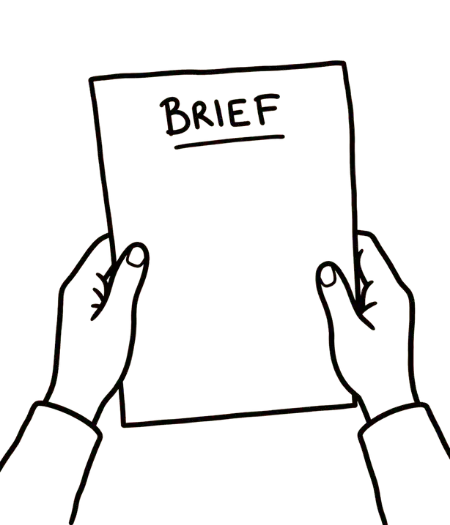
Where most consulting starts →多數顧問從這裡開始 →
That changes what each engagement actually delivers. 因為從這裡開始,交付的東西才真的用得上。
Three services.
Same starting point.
三種服務
相同起點
Services
服務
Strategy Session 策略工作會議
The way in. One remote session for teams who want a senior read on where they stand — before committing to anything bigger. You fill in a short self-report first, so we start at the real question instead of spending the hour getting there. 一道入口。一場遠端會議,給還沒準備好展開正式合作、但想先拿到一個資深判斷的團隊。你會先填一份簡短的自填問卷,所以我們一開場就從真正的問題談起,不用花半小時暖身。
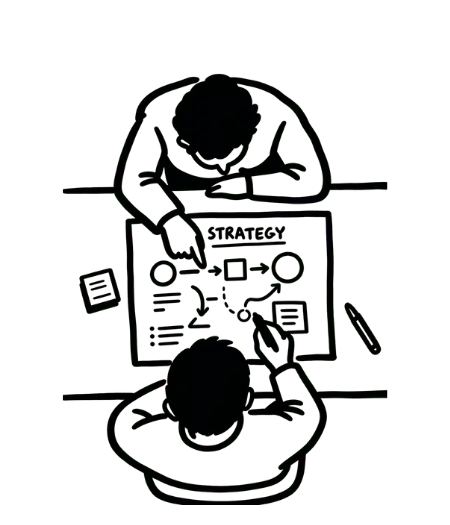
- We work on it together — you leave with decisions, not a report.我們一起把問題想清楚——你帶走的是決定,不是一份報告
- A one-page memo afterwards. Three priority recommendations.會後一頁式重點備忘,三個優先建議
- Small enough to test the working relationship first.夠小,可以先試試看合不合作得來
UX Review & Engagement UX 檢視與深度合作
Five pages, scored. A bounded website review — structured self-report in, an AI agent I built scores severity, and you get a report of three pages or less. Fast, and cheap enough to just find out. 五頁,打分數。範疇被框死的網站檢視——結構化問卷進來,我自己打造的 AI agent 跑嚴重度評分,交給你一份三頁以內的報告。快,而且便宜到你可以先試試看。
When five pages aren't enough. A platform, a large site, a whole service. Done by hand — we question the brief before it locks you in, and build the direction together. The deliverable fits the problem, not the other way round. 當五頁不夠的時候。平台、龐大的網站、一整條服務。手工做——在 brief 把你鎖死之前先一起質疑它,再把方向長出來。交付物依問題而定,不是反過來。

- The 6 issues that move the metric, not 80 that don't.6 個會推動指標的問題,不是 80 個不會的
- AI does the synthesis. Judgment decides what matters.AI 負責整合資料,我負責判斷什麼重要
- Written for the budget meeting, not the design team.寫給拍板預算的決策者看,不單是給設計團隊
AI Workflow Diagnostic 工作流程 AI 導入診斷
A service blueprint of how your workflow really runs — and inside it, one or two specific places where an AI agent would genuinely make it faster. Plus the places it shouldn't touch. 一張服務藍圖,畫出你的流程「實際上」怎麼跑;並在藍圖上指出 1–2 個 AI agent 真的能讓它變快的環節,以及哪些地方不該碰。
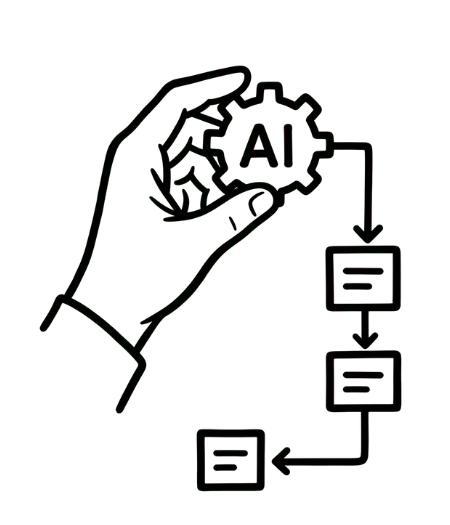
- I've built the agents my own practice runs on — this comes from using them, not slideware.我自己的工作就靠親手打造的 agent 在跑——判斷來自「用過」,不是簡報
- I'll tell you what not to build. That's most of the value.我會告訴你哪些「不要做」——那才是大部分的價值
- Accelerates your judgment, doesn't replace it.加速你的判斷,不取代它
Want the detail — scope, deliverables, what it costs? 想看細節——範圍、交付內容、收費?
See all services → 看所有服務 →PROCESS // How I work PROCESS // 我怎麼工作
Same shape,most projects. 大多數案子,都這樣進行
Remote.
Fast by design.
遠端且
刻意求快
The thinking is mine.
The decisions stay yours.
思考是我的事。
決定則是你的。
Four steps.
Same every time.
四個步驟
標準一致
Process
流程
先理解你已經有的
You'll fill in a short structured self-report, and send over whatever you already have — past research, analytics, prior decks. We start from what's already in your team's head, not from zero. 你會填一份結構化的自我報告,再把手邊現成的東西丟過來——過去的研究、數據、舊的 deck等。我們從你團隊腦袋裡已經有的東西開始,不是從零。
Week one isn't onboarding. Your self-report, plus what you already have, is enough to start working from. 第一週不是用來讓我熟悉你。你的自我報告 + 手邊現成的東西,就足夠讓我們開始做事。
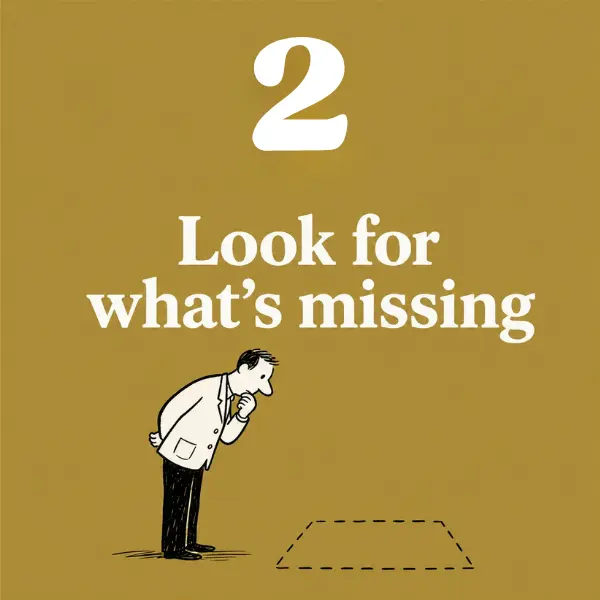
找出沒被問到的問題
I read everything you sent, against twenty years of patterns. What I bring back isn't a summary — it's the questions your team hasn't asked yet, and the ones you've been answering that don't matter. 我把你送來的東西,放進二十年累積的判斷裡讀一遍。我帶回來的不是一份摘要——是你的團隊還沒發現的,以及那些你們一直在回答、卻可能沒那麼重要的問題。
You'll know early — well before the deliverable — whether you've been solving the wrong problem. 你會在初期就知道——遠在交付之前——你需要解的問題可能跟你想的不一樣。
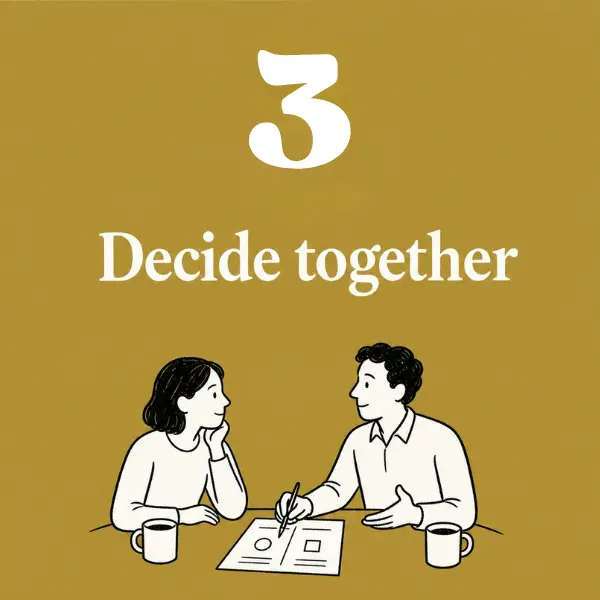
邊做邊一起決定
Short working sessions over video, not presentation reviews. I lay out the trade-offs, you weigh them against the things only you know — politics, history, what your team can actually carry. The decision is made while we're still on the call, not after. 我們開的是短的遠端工作會議,不是簡報審查會。我把取捨攤開,你拿它對照那些只有你才知道的事——政治、歷史、你的團隊真的扛得動什麼。決定就在我們還在線上的時候做出來,不是會後。
Nothing waiting in a final deck to be re-debated. 不會有什麼東西藏在最終 deck 裡,等著被重新吵一次。
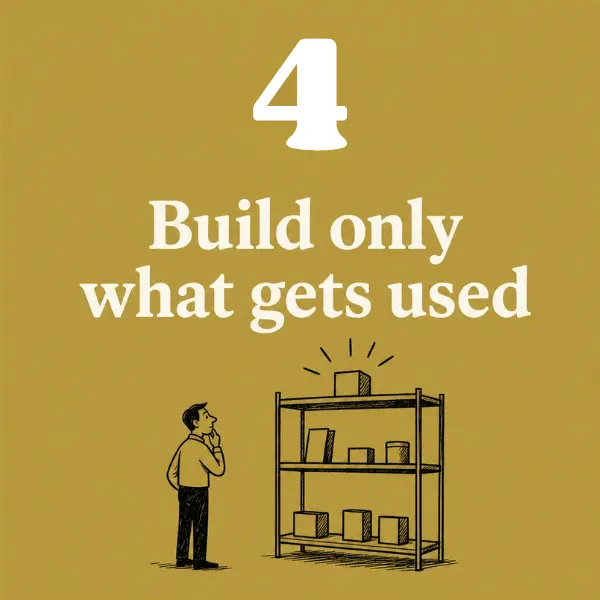
只交會被用上的東西
What you get is sized for the room where the next decision happens. A decision brief your boss will actually read. A working tool your team opens on Monday. Whatever ships next — that's what we build toward. 你拿到的東西,尺寸是為下一個決策會議量身做的。一份你老闆真的會讀完的分析報告,一個你的團隊週一就會打開的工具。下一步要 ship 什麼——我們就往那邊做。
You leave with something that moves on Monday, not something that needs a translator. 你帶走的是週一就能動的東西,不是一份還需要翻譯給別人聽的交付物。
Not sure if this fits your project? 不確定這個流程適不適合你的案子?
Tell me about it → 找我聊聊 →ABOUT // Who I am ABOUT // 關於我
Research won't shrink. It will split.研究不會消失,它會分裂
Twenty years deciding which questions matter. The last few, building AI to handle the ones that don't need a person.二十年,我都在判斷什麼問題真正重要。最近幾年,我開始讓 AI 接手那些不需要人來處理的部分。
Track record做過的事
Director of UX at Isobar. Lead Business Strategy Consultant at dentsu X. Twenty+ years where the decisions actually get made — not next to them.前 Isobar UX 總監、dentsu X 策略顧問。最近十多年頻繁穿梭在做決定的場合,不再只待在負責執行的隔壁那間。
Grounding學養
M.S. HCDE, University of Washington. Best Student Paper, APCHI. Doing user-centered design in Taiwan before the industry had a name for it.華盛頓大學 HCDE 碩士。APCHI 最佳學生論文。在台灣業界還沒有「使用者中心設計」這個詞的時候,我就在做這件事。
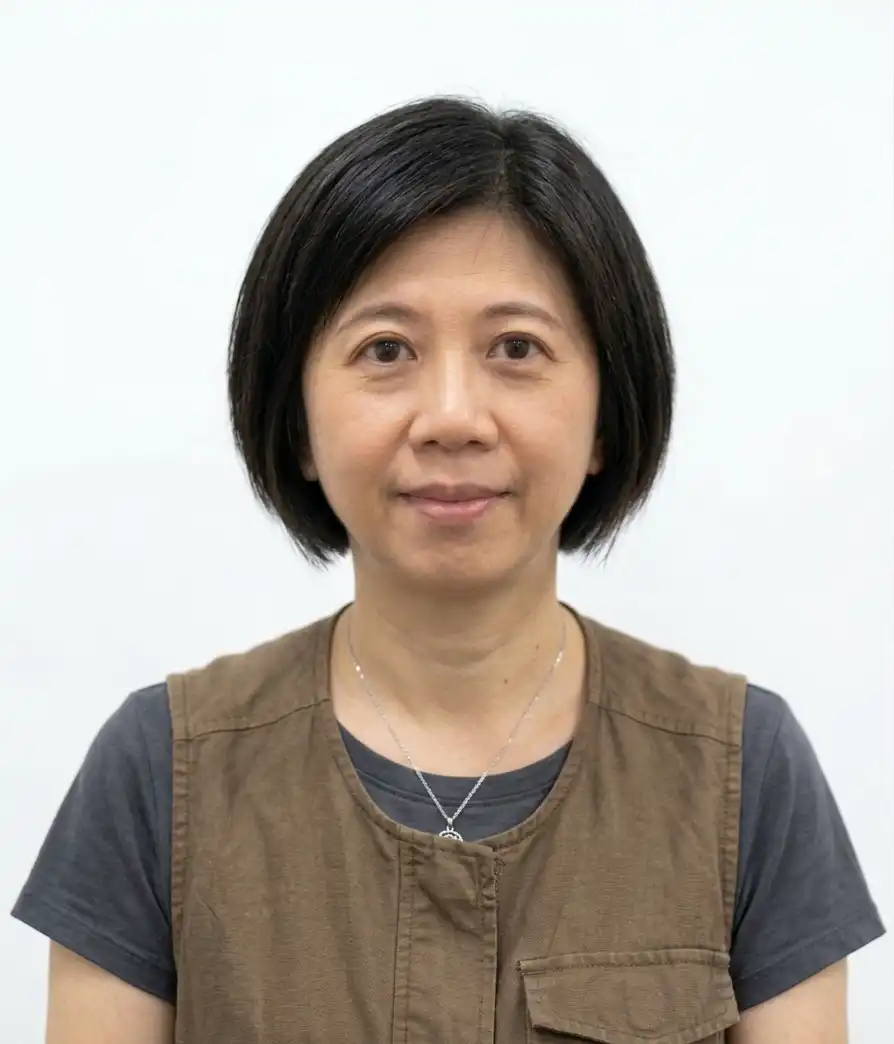
AI PractitionerAI 實作者
More than ten AI agents already running in my own workflow — including one that does UX audits. I know where AI belongs in a process, and where it doesn't, because I've placed it there myself.超過十個 AI agent 已經在我自己的工作流裡跑——包括一個會做 UX 檢視的。我知道 AI 該擺哪、不該擺哪,因為我自己擺過。
What I bring我帶來什麼
Judgment about what to skip. Twenty years of pattern recognition for what actually moves a project. And the AI fluency to make speed possible without losing rigor.判斷哪些可以略過。二十年累積的模式辨識,看得出來什麼真的能推進專案。還有夠熟的 AI 能力,讓「快」不犧牲嚴謹。
That's how I work. And every part of it has a reason — the reasons are below.
以上是我怎麼工作。我會這樣做,都是有道理的
——道理就在下面。
NOTES // What I thinkNOTES // 我在想的事
Different topics.
One lens.
不同題目
相同視角
Notes
筆記
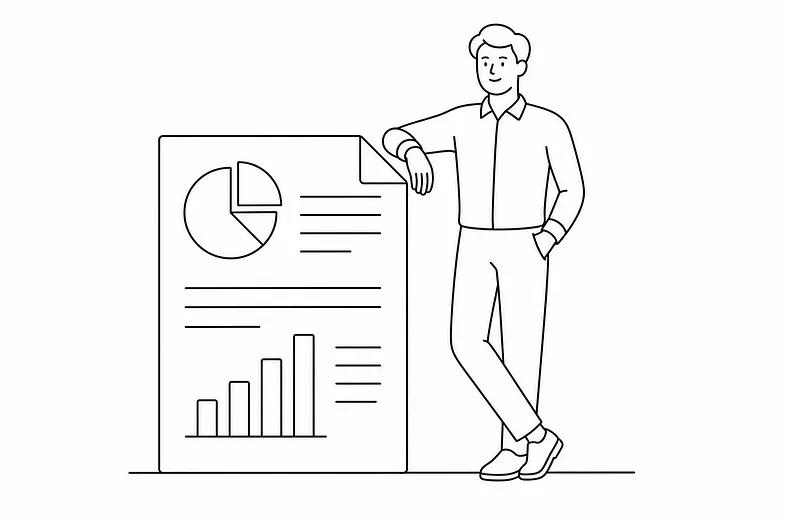
UX Research研究方法
The researcher's opinion is never the problem. Knowing where to use it is.研究者觀點從來不是問題;甚麼時候用以及怎麼用,才是

UX Research研究盲點
Why your user research might be telling you what you want to hear為什麼你的調研,只告訴你你想聽的
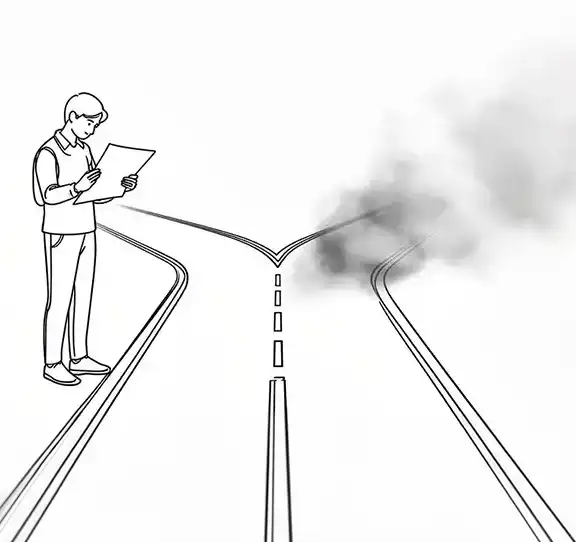
UX StrategyUX 策略
Before You Redesign Your Website, Do You Actually Know What's Wrong?網站改版或建立前,你真的知道問題在哪裡嗎?
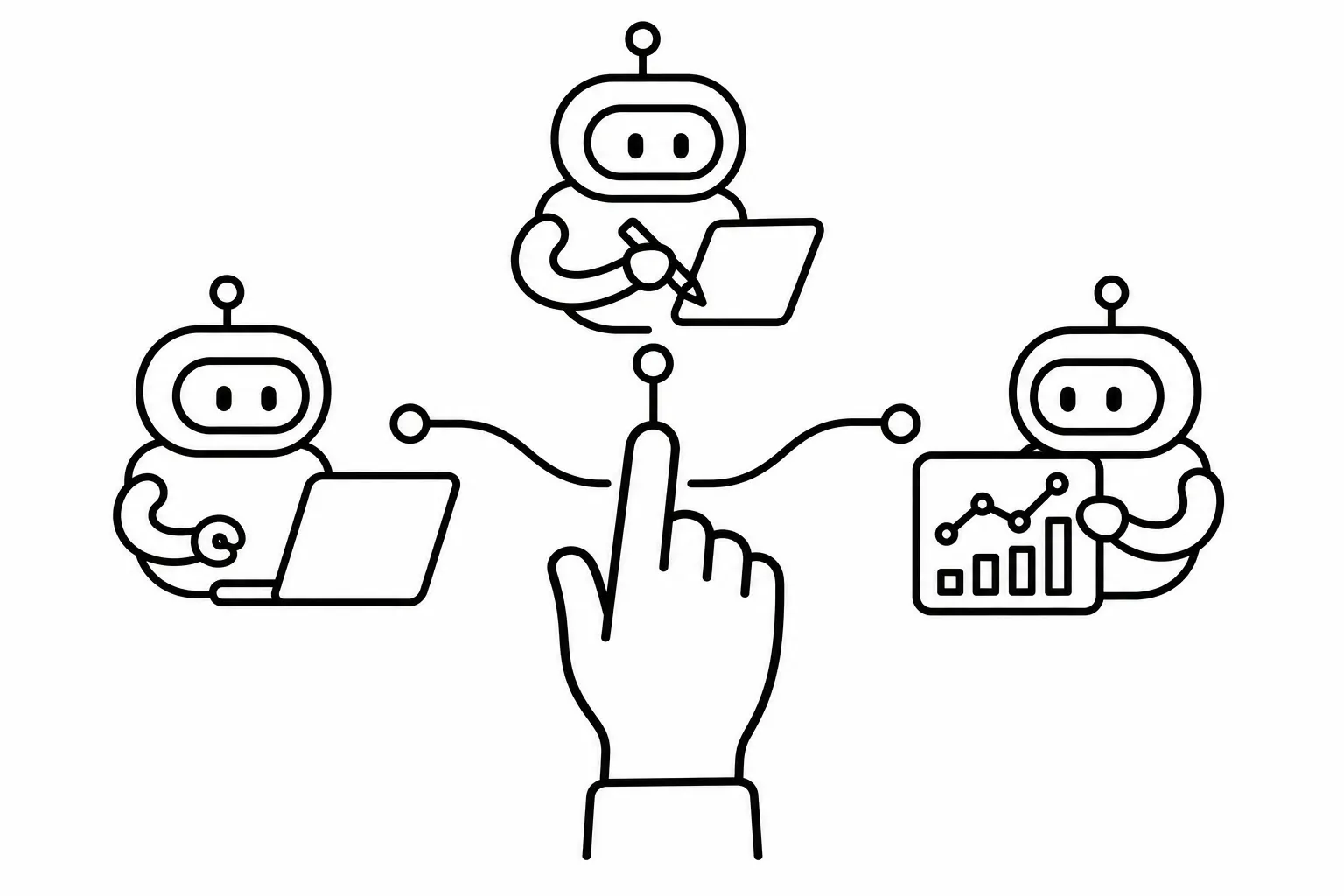
AI × DesignAI × 設計
I Gave My Website to Three AIs. The Hard Part Was Still Mine.我把網站交給三個 AI,最難的部分還是得自己來
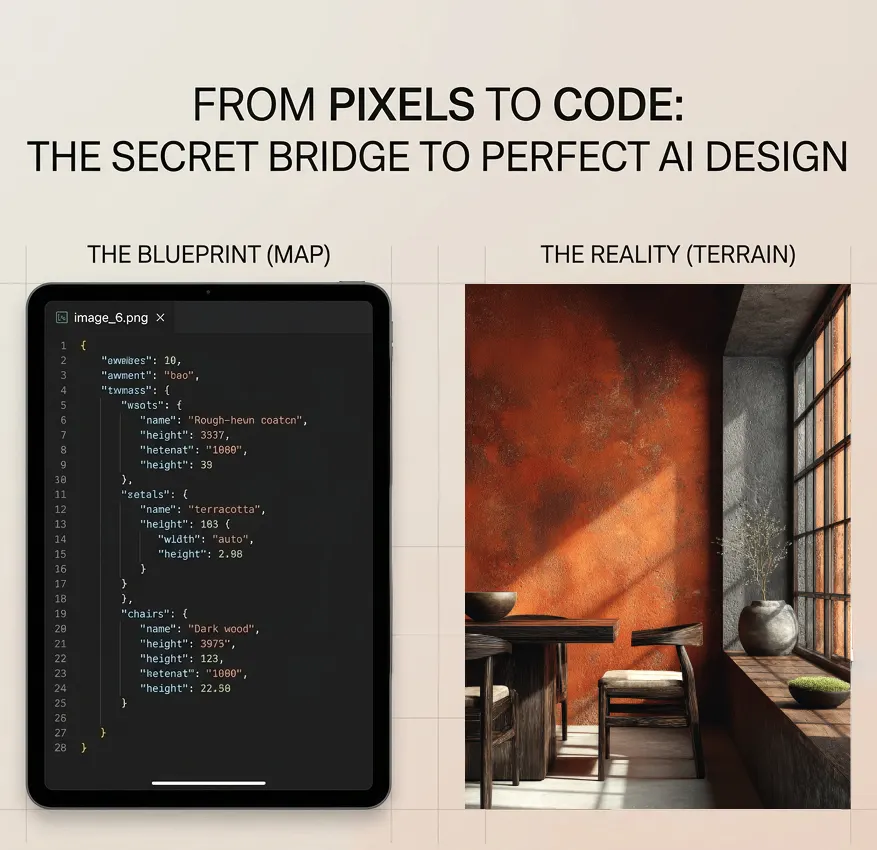
AI × DesignAI × 設計
How to Turn AI Images Into Editable Design Blueprints如何把任何圖片變成可編輯的設計藍圖
AI × ArtAI × 藝術
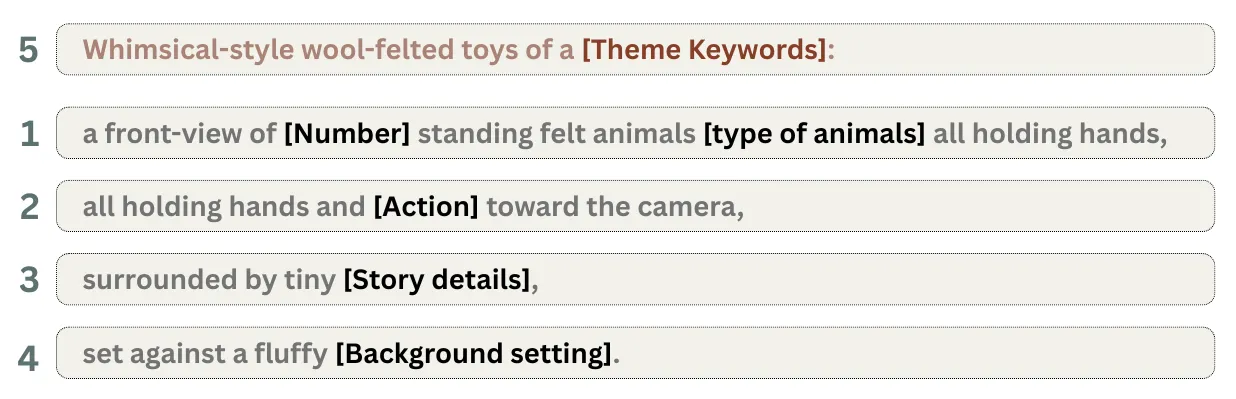
Felt Art: AI Beginner Guide for Animal Scenes毛茸茸動物出動:AI 場景入門指南
AI × ArtAI × 藝術
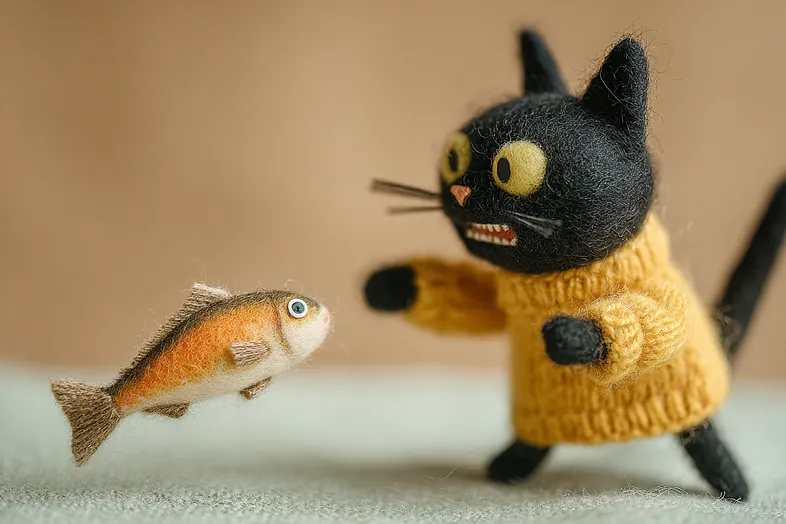
Stop-Motion Wool-Felted Cats: Humor, Color, and StorytellingAI定格劇場:羊毛氈貓咪的幽默故事

AI × AnimationAI × 動畫
Midjourney Animation Tutorial (Edition 1)Midjourney 動畫教學(第一輯)
AI × ResearchAI × 研究
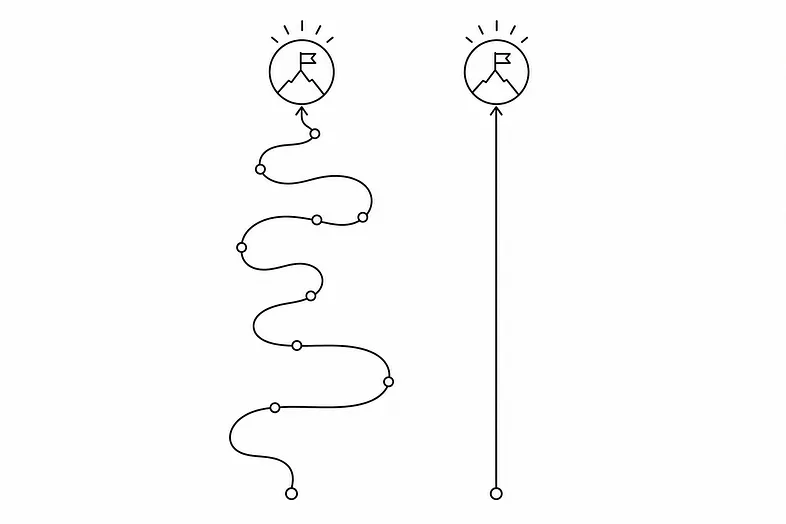
I Built an AI Agent to Do UX Research. Here's What It Couldn't Do.我打造一個 AI Agent 做 UX 研究。以下是它做不到的事
I don't show client decks. I show how I think — that's upstream of all of it.
我不秀客戶提案。我秀我怎麼想
—— 那才是這一切的上游。
CONTACT // Work with meCONTACT // 聯絡我
If something here sounds familiar, let's talk. 看到這裡,如有些地方覺得很熟悉,那我們聊聊。
A short conversation. No pitch, no proposal template, no sales process. That's it. 一段簡短的對話。沒有 pitch,沒有提案模板,沒有銷售流程。就這樣。